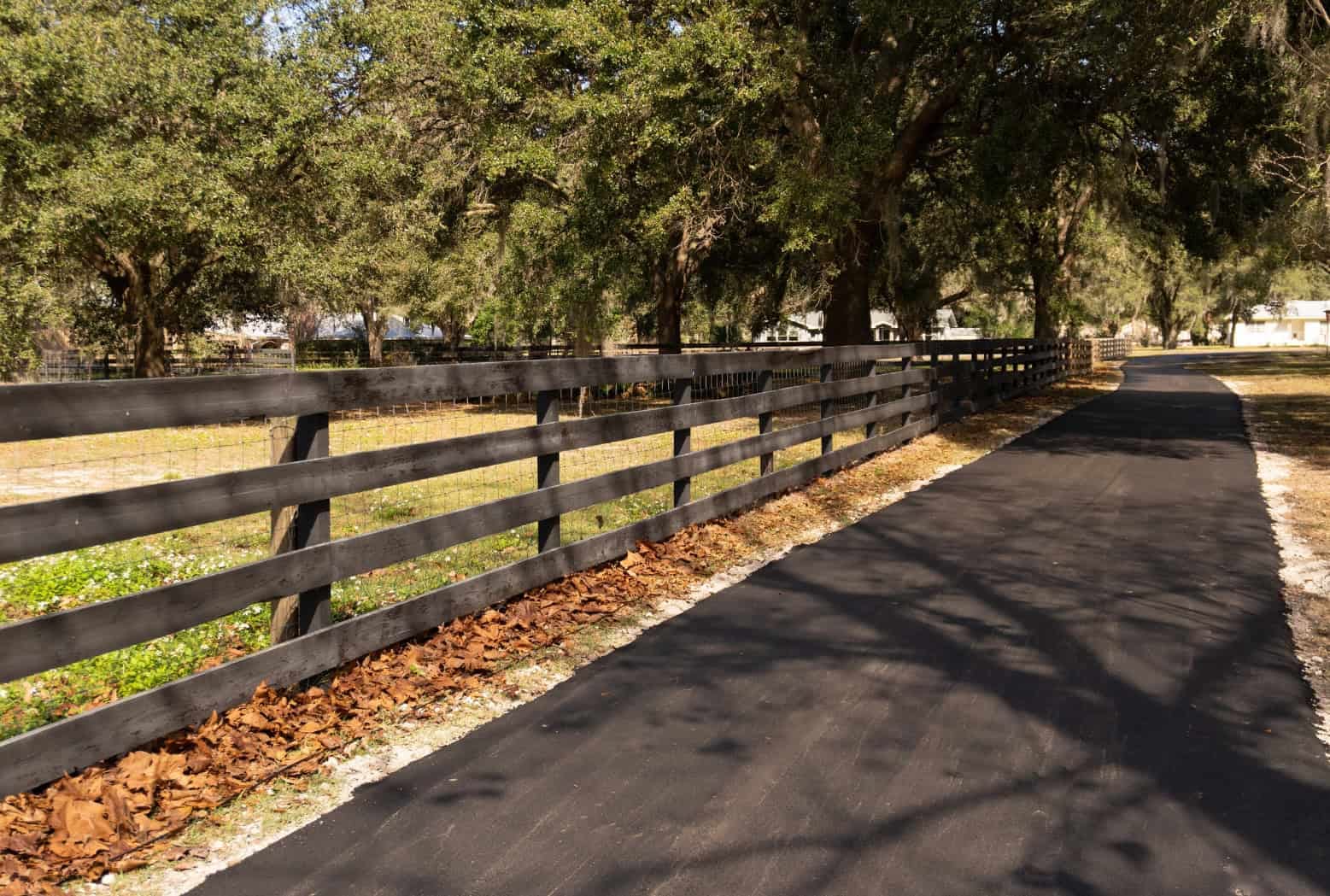
Home › Private Road and Lane Paving
Improve access to your property with expert private road paving in Spokane, WA. We build and resurface shared driveways, rural lanes, and long access roads with durable asphalt. Our team manages grading, drainage, and compaction so your road stays smooth and reliable for years.
Precision Asphalt Spokane provides professional private road paving throughout Spokane, WA, Washington and the surrounding area. Our licensed, insured crew delivers safe, clean, on-time work with a free estimate before anything begins. Call or request your free quote.
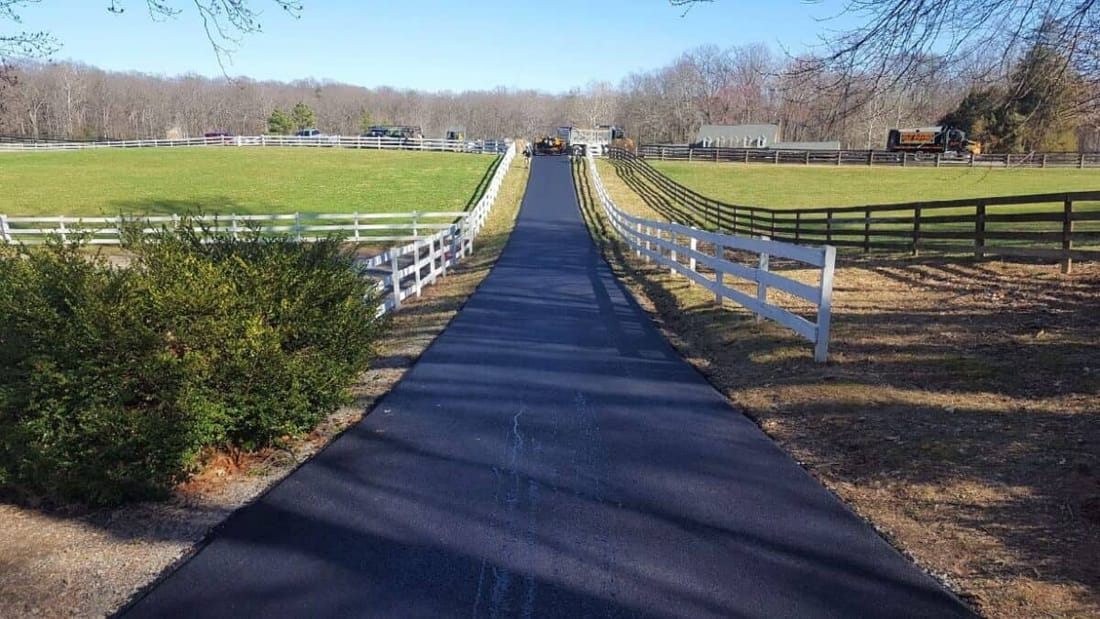
Private Road Paving in Spokane Built for Real Traffic and Real Weather
Private roads and lanes around Spokane take more abuse than most people expect. Heavy pickups, delivery trucks, snow plow blades, and freeze-thaw cycles all work against the pavement. Precision Asphalt Spokane designs private road paving projects specifically for these conditions, not to a one-size-fits-all standard.
We look at how your road is actually used. A gravel lane that only sees light car traffic does not need the same structure as a private access road that carries propane trucks, school buses, or farm equipment. Before we recommend any paving plan, we evaluate soil conditions, drainage patterns, slopes, and how the road has held up in past winters.
Our goal is to give you a private road that stays smooth, drains properly, and can be plowed and driven year after year without constant patching. That means paying attention to the subgrade, thickness of each layer, and how water will move alongside and under the roadway in Spokane's four-season climate.
How We Build a Private Road or Lane That Lasts
Precision Asphalt Spokane follows a clear, step by step process so your private road paving project is predictable and the outcome is durable.
1. Site walk and use assessment. We meet you on site, walk the entire alignment, and talk through how the road is used today and what you expect in the future. We flag soft spots, standing water, tight curves, and steep areas that will need special attention.
2. Layout and grading plan. We set the road width and alignment, then determine the proper slope for water runoff. In Spokane, we typically design at least a 2 percent cross slope so snowmelt will shed off the surface instead of sitting and refreezing.
3. Subgrade preparation. We strip organic material, proof roll to locate weak areas, and recompact the native soil. Where the ground is unstable or clay heavy, we may undercut and replace with imported structural fill or install a geotextile fabric to separate the soil from the road base.
4. Base rock installation. We bring in crushed rock (commonly 1 1/4 minus or 3/4 minus in this region), spread it in lifts, then compact it with vibratory rollers. The thickness can range from 4 inches for a light use lane up to 12 inches or more for roads that see frequent heavy trucks.
5. Fine grading and shaping. We shape the crown or cross slope, blend transitions to driveways, and create drainage swales or ditches where needed. This step is critical for plowable surfaces and to prevent water from running down the wheel paths.
6. Asphalt paving. For private roads around Spokane, we usually recommend a 2 to 3 inch compacted asphalt mat for lighter use, and thicker for regular truck traffic. We place asphalt with a paver for consistent depth, then compact with steel drum and pneumatic rollers so the mix is tight and smooth.
7. Final rolling, edges, and tie ins. We finish compaction along the edges, tie into existing driveways or county roads, and address any low spots before the material cools. Clean, well compacted edges are key to preventing raveling and breaking at the sides of the lane.
Design Options for Private Roads and Lanes
Not every private road needs the same design. Precision Asphalt Spokane tailors pavement structure and layout to your property and budget while still planning for our local winters.
Surface thickness and mix: If your private lane mainly serves passenger cars, we may suggest a standard residential hot mix with a 2 inch compacted surface. For frequent garbage trucks, RVs, or farm vehicles, we can add a heavier base course and increase asphalt thickness to 3 inches or more to resist rutting.
Road width and turnouts: Narrow forest or rural lanes often feel cramped once delivery trucks and visitors start using them. We help you choose a realistic standard width, which is usually 10 to 12 feet for a one way lane, and plan turnouts or wider sections so vehicles can pass without breaking the edge of the pavement.
Crown versus shed to one side: In many Spokane County settings, we recommend a crowned road so water sheds both directions to roadside ditches. On steep cross slopes or where one side borders a building or fence line, we may design the road to drain in a single direction to a controlled ditch or swale.
Transition areas: Entrances at county or city roads often require a slightly different mix or extra thickness because braking and turning forces are higher. We pay special attention to these tie in points so you do not end up with early cracking right at the entrance to your property.
What Drives the Cost of Private Road Paving in Spokane
Homeowners and property managers often ask why private road paving quotes can differ so much. Precision Asphalt Spokane breaks down the factors clearly so you can see where your money is going and where you have options.
Length and width: Asphalt is priced largely by ton, which is directly related to the area and thickness of pavement. A wider lane or thicker asphalt section will cost more but may be necessary if you have heavy traffic or poor soils.
Subgrade and base work: Roads built over soft or wet ground need more attention under the surface. Importing and compacting additional base rock, undercutting poor soils, or using geotextile fabric adds upfront cost but can prevent much larger failures later. On existing gravel roads that already have a good base, costs can be lower because we can regrade and reuse much of the material.
Drainage improvements: Installing ditches, culverts, or French drains where needed adds to the total, but poor drainage is one of the top causes of premature pavement failure in the Spokane area. Addressing drainage during construction is far cheaper than trying to fix frost heaves and base failures a few winters later.
Access and logistics: Long, narrow mountain or forest roads, limited turnaround space for trucks, and steep grades can affect production rates and therefore cost. We plan truck routes and staging in advance to minimize this impact, but it is a real factor when comparing bids.
Timing and phasing: Some clients need work completed between crop cycles, in a specific school break, or around other construction. Tight timelines or phased work can influence cost because of extra mobilizations and traffic control.
Handling Spokane’s Winter and Spring Conditions
Our region sees freeze thaw cycles, deicer use on connecting public roads, and significant snowfall in many neighborhoods. Precision Asphalt Spokane designs private road paving projects with these realities in mind.
Construction timing: We typically pave private roads from late spring through early fall when ground temperatures support proper compaction and curing. In shoulder seasons, we watch the forecast closely and only schedule paving when we can achieve density before the asphalt cools.
Freeze thaw protection: Adequate base depth and drainage are your best defenses against heaving and cracking. Where water has historically pooled, we raise grades slightly, improve ditches, or add underdrains so water does not stay trapped beneath the pavement during cold snaps.
Snow plow considerations: Private lanes are often plowed by the owner or a local contractor using pickup mounted blades. We design edges and transitions to handle scraping, minimize sharp drop offs, and avoid raised structures in the middle of the drive lane that can catch a blade.
Deicer and sand impact: Sand and deicer carried from public roads can accelerate wear near entrances. We recommend periodic sweeping and, where necessary, a seal or overlay cycle that matches how that entrance section is aging compared to the rest of the road.
Common Private Road Problems We Solve
Many of our private road paving projects in Spokane start with an existing gravel or badly aged asphalt lane. Precision Asphalt Spokane focuses on fixing the root causes so you do not end up in the same situation a few years later.
Ruts and potholes in gravel roads: Deep ruts and recurring potholes usually point to inadequate base depth or trapped water. Instead of simply filling holes, we regrade, rebuild soft sections, and install proper drainage so the new asphalt surface rests on a solid, dry foundation.
Alligator cracking and edge breakup: When an older private road shows interconnected cracking or the edges are crumbling, the structure below has likely been compromised. We mill out or remove failed sections, rebuild the base, and then pave so the weakness does not telegraph back through the new surface.
Poor drainage and standing water: We often see private lanes that run flat with zero crown and no ditches, which leads to puddles that return in the same locations every year. Our crews reshape the road profile, cut or restore ditches, and sometimes add culverts, so meltwater and rain have a clear path away from the pavement.
Dust and maintenance headaches: Owners of long gravel private roads frequently want less dust, fewer washboards, and less grader work. By paving over a properly prepared base, we eliminate the dust and sharply reduce regular maintenance. We also help set a realistic long term maintenance plan that may include periodic crack sealing and eventual overlays instead of full reconstruction.
What to Expect When You Hire Precision Asphalt Spokane
We want the process of paving your private road or lane to be straightforward and predictable. From the first visit to the final roller pass, Precision Asphalt Spokane keeps you informed and on schedule.
Initial consultation and proposal: After the site visit, we provide a written proposal that outlines the scope, layer thicknesses, drainage work, and any options. We highlight anything that could affect cost, such as hidden soft areas we might uncover during proof rolling.
Scheduling and preparation: Once you approve the plan, we schedule work to fit weather windows and your access needs. Before we mobilize, we confirm where utilities, gates, fences, and landscaping are located so we can protect them.
Construction and access management: During the project, there will be periods when sections of the road are closed while base rock or asphalt is being placed and compacted. We coordinate with you to maintain reasonable access to homes, barns, or facilities, and we let you know ahead of time when the road will need to be kept clear of vehicles.
Post paving care: Fresh asphalt needs time to cool and gain strength. We will explain when you can drive on it, when heavy trucks can return, and how to avoid scuffing in the first few days. We also walk the finished road with you, answer questions, and discuss future maintenance such as crack sealing and seal coats so your new private road continues to perform for many years.