Home › Gravel-to-Asphalt Conversions
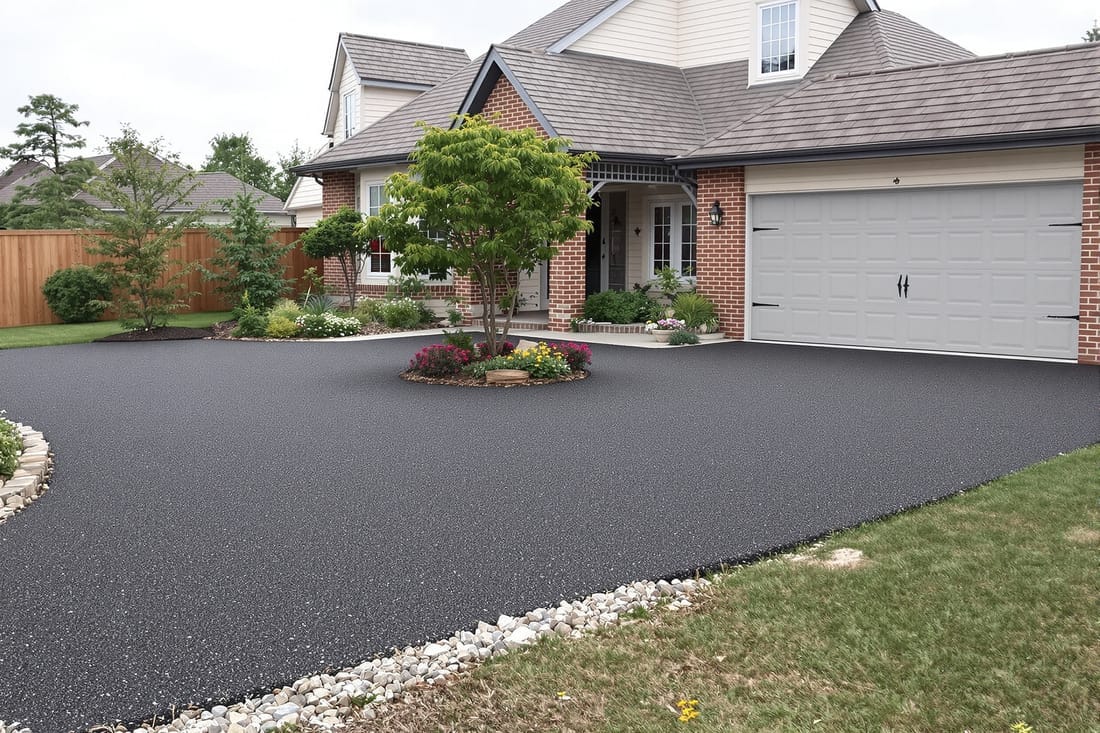
Tired of mud, ruts, and dust from your gravel driveways in Spokane, WA? Our gravel to asphalt driveway conversions create a smooth, durable surface that is easier to maintain. We regrade the base, compact thoroughly, and install quality asphalt so you can enjoy cleaner, more reliable access year-round.
Precision Asphalt Spokane provides professional gravel to asphalt driveway throughout Spokane, WA, Washington and the surrounding area. Our licensed, insured crew delivers safe, clean, on-time work with a free estimate before anything begins. Call or request your free quote.
Turn Your Gravel Driveway Into Clean, Smooth Asphalt
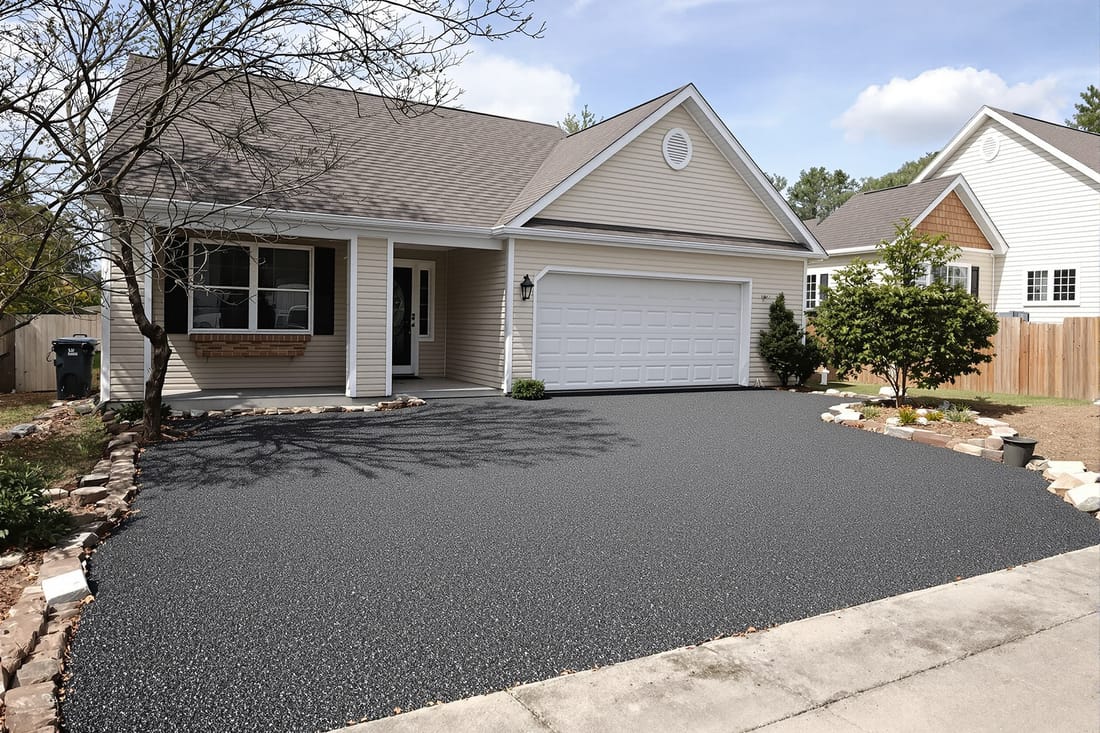
If you are tired of dust clouds in summer and ruts that freeze solid in winter, a gravel to asphalt driveway conversion can make daily life easier. At Precision Asphalt Spokane, we focus on upgrading existing gravel drives across Spokane and surrounding communities like Spokane Valley, Mead, and Liberty Lake.
A proper conversion is not just laying blacktop over rock. We start by looking at how your current driveway behaves in Spokane’s weather. Do you get standing water after a storm, deep ruts from delivery trucks, or muddy shoulders during spring thaw This tells us how much base repair and drainage work you will need before any asphalt goes down.
For most gravel to asphalt driveway projects, we work within your existing footprint so you do not have to tear up your yard. If you want to widen for extra parking or create a turnaround, we design that at the same time. We also talk through how you use the driveway. Daily commuter cars, trailers, or heavier work trucks all call for slightly different thicknesses and mix choices so the asphalt lasts.
Our Step-by-Step Gravel-to-Asphalt Process
A clean, long-lasting result comes from what happens before you ever see black asphalt. Precision Asphalt Spokane follows a clear sequence on every gravel to asphalt driveway job so there are no shortcuts hidden under the surface.
1. Site evaluation and measurements. We check grades, soft spots, and water flow. Spokane’s freeze-thaw cycles are hard on shallow bases, so we probe the existing gravel to see how thick and compact it really is.
2. Grading and drainage shaping. Using graders and skid steers, we cut high spots and fill low spots, then pitch the driveway so water sheds to the sides. On longer rural drives we may add shallow swales or tie into an existing ditch so meltwater from heavy snow years does not sit under your new asphalt.
3. Base repair or replacement. If your current gravel layer is thin, contaminated with mud, or pumping when driven on, we remove the bad material and install new crushed rock, typically a 3/4 inch minus in this region. We build this base to the right depth and compact it with a vibratory roller until it meets density specs. A solid base is the main difference between an asphalt driveway that lasts 20 years and one that cracks in 3.
4. Edge preparation. We shape clean, straight edges where the new asphalt will stop, and plan transitions to garages, sidewalks, or existing pavement. In Spokane’s winters, plows and shovels are hard on weak edges, so we consider concrete aprons or thicker edges where needed.
5. Asphalt paving and compaction. We normally install a 2 to 3 inch compacted asphalt surface (thicker for heavier traffic). We use a paver for consistent thickness and a steel drum roller for smooth compaction. Joints are hand worked and sealed so Spokane’s rain and road salt do not get under the mat.
6. Clean-up and walk-through. We broom the area, check drainage again with water when needed, and walk the driveway with you to explain expected cure time, sealing schedule, and snow removal tips.
Design Options and What Affects Cost
No two gravel to asphalt driveway projects in Spokane are priced the same, because conditions below the surface vary so much. Precision Asphalt Spokane explains costs in plain language before we start so you know where your money is going.
The biggest cost driver is base work. If your current gravel is deep, stable, and drains well, we can often regrade and compact what you have, then add a topping layer and pave. If we find soft clay pockets, buried topsoil, or standing water, we will need to dig out and replace that section with crushed rock. That extra excavation and material adds cost but prevents early cracking and potholes.
Driveway length, width, and layout also matter. Straight, open runs are faster and more efficient to pave. Tight curves, steep slopes, and small tie-ins around shops or outbuildings take more handwork and time. If you want to widen areas for RV parking or add a pull-out near the road, we include that grading and base in your price.
You will also choose asphalt thickness and sometimes mix type. Light residential traffic can usually use a standard residential mix at around 2 inches compacted. If you have regular heavy trucks, horse trailers, or equipment, we may recommend 3 inches or a stronger mix. Spokane driveways on hills may benefit from slightly different aggregate content to improve traction without being too rough.
Finishing details can change the total. Options include concrete or paver borders, thicker asphalt at garage entries, or specific transitions to city streets or county roads. We can also plan ahead for future projects, such as leaving clean tie-in points if you think you may add a shop pad or second parking area later.
Timing, Weather, and Spokane-Specific Considerations
Spokane’s climate has hot summers, cold winters, and strong freeze-thaw swings in fall and spring. All of that affects how and when we perform gravel to asphalt driveway conversions.
Our main paving window typically runs from late April through October, depending on temperatures and rain. Asphalt needs a reasonably warm, dry surface and enough time to cool and harden before an overnight freeze. Early spring and late fall projects require more planning, and there are some days we will not pave because the result will not meet our standards.
If you are converting from gravel, it can be smart to get base work done ahead of peak season. For example, we may complete excavation and rock base in late spring, let it settle and be driven on for a few weeks, then return to pave in early summer when temperatures are ideal. This helps identify any soft areas early and gives us a better final surface.
Snow and ice are a big factor for Spokane and nearby areas like Deer Park and Cheney. A well-graded asphalt driveway allows snow to be plowed cleanly without digging into loose gravel. When we design slopes and drainage, we consider where snow piles will go and where meltwater will run in February and March. The goal is to avoid ice sheets forming near garages, walkways, or the road.
We also guide you on post-installation care. You can usually drive passenger vehicles on new asphalt within a day or two in warmer weather, but we will set specific timelines based on conditions. Parking heavy trailers or dumpsters should wait longer. We advise against using sharp kickstands or turning steering wheels while stationary during the first weeks, especially on hot days, so you do not scuff the surface.
Common Issues We Solve When Upgrading Gravel to Asphalt
Old gravel driveways in Spokane show similar problems, but the causes and fixes can be very different. Precision Asphalt Spokane focuses on solving these issues during your gravel to asphalt driveway conversion so they do not return under a new surface.
Ruts and potholes usually point to thin or poorly compacted base material, or to water that has nowhere to go. We correct this by cutting out bad sections, adding proper depth of crushed rock, and compacting in lifts. Simply paving over ruts will not work, they will reappear through the asphalt.
Mud and pumping during wet seasons means the subgrade soil is too weak. In parts of Spokane County with clay-rich soils, we may recommend undercutting deeper and bringing in a geotextile fabric between the native soil and new base rock to keep them from mixing. This improves stability without needing extreme excavation on every job.
Standing water or washouts after storms usually means poor drainage or a flat driveway. We adjust the slope of the driving surface and build shallow ditches or swales where needed. On driveways that meet busy roads, we coordinate with existing culverts or recommend new ones so water flows away instead of back toward your property.
Loose, wandering gravel at edges can hint at a driveway that slowly spread over time. When we convert to asphalt, we reset the true width, cut clean edges, and sometimes recommend a small shoulder of compacted gravel to support the new pavement. This helps prevent edge cracking, especially where plows or delivery trucks drive close to the sides.
Before we leave, we explain how to spot early warning signs on your new asphalt, such as small edge cracks or areas that hold water for too long, and how simple maintenance like timely crack sealing and sealcoating can keep your driveway in good shape for many years.