Home › Industrial and Heavy-Duty Asphalt Paving
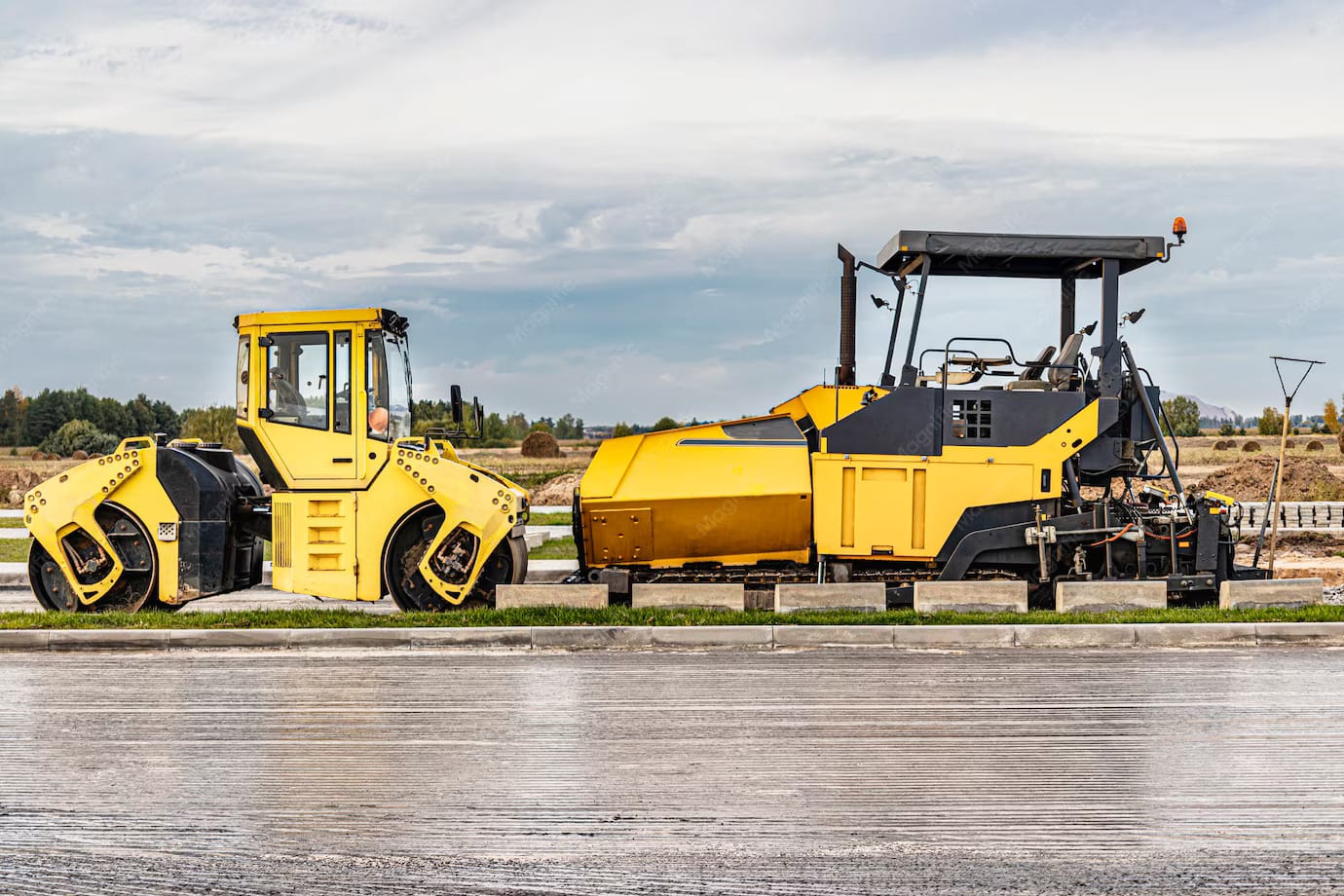
Handle heavy traffic and equipment with purpose-built industrial asphalt paving in Spokane, WA. We design and install thicker asphalt sections and strong bases for loading docks, truck yards, and warehouse lots. Our heavy-duty pavements are engineered to resist rutting, shoving, and premature failure under demanding use.
Precision Asphalt Spokane provides professional industrial asphalt paving throughout Spokane, WA, Washington and the surrounding area. Our licensed, insured crew delivers safe, clean, on-time work with a free estimate before anything begins. Call or request your free quote.
Industrial Asphalt Paving Built for Spokane Workloads
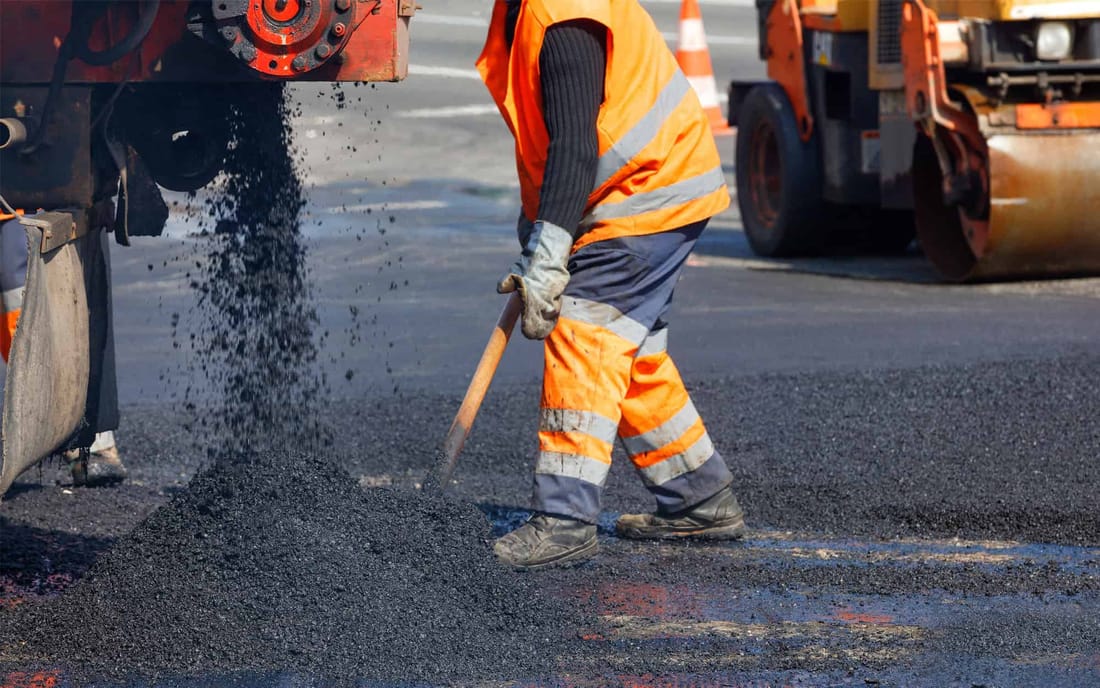
Industrial asphalt paving in Spokane has to stand up to forklifts, semi traffic, freeze-thaw cycles, and constant loading and unloading. At Precision Asphalt Spokane, we design every heavy-duty surface around how your site is actually used, not just how it looks on a plan.
Whether you run a distribution yard off I-90, a manufacturing plant in the Spokane Valley, or a municipal maintenance facility, the pavement needs under your operation are different from a shopping center or residential street. We look at axle loads, turning patterns, fuel or chemical exposure, and the type of snow removal you use. Then we match those needs with a pavement structure that can handle it for years, not just the first winter.
Our team lives and works in Spokane, which means we understand how our freeze-thaw cycles, deicer use, and subgrade soils actually affect industrial asphalt. We bring that local knowledge to your project so you get a surface that performs in real-world conditions, not just on paper.
How We Design Heavy-Duty Asphalt for Spokane Sites
Industrial asphalt paving starts with pavement design. Before we talk about tons of asphalt, Precision Asphalt Spokane focuses on the structure beneath the surface.
We begin with an on-site assessment. We check soil type, existing base thickness, drainage paths, and current pavement failures like rutting or alligator cracking. In many Spokane industrial areas, we see silty soils that hold water, so we may recommend thicker base rock or improved drainage to keep the structure stable during wet seasons.
Next, we identify your loading conditions. For semi loading docks, heavy forklift lanes, or bus yards, we may recommend a full-depth asphalt section or a thicker base course with a high-stability surface mix. Areas with tight turning, like cul-de-sacs for trucks or fuel islands, often need additional thickness or a modified binder to resist shoving and rutting.
We then tailor the asphalt mix. For heavy-duty pavements we typically use mixes with a higher percent of crushed aggregate and performance-graded binders that handle Spokane’s hot summers and cold winters. In some industrial areas where fuel, oil, or deicers are common, we may propose polymers or specific surface courses that resist softening or stripping. You will see a written recommendation that spells out layer thicknesses, mix types, and expected performance so you can compare options in a clear way.
Step-by-Step: Our Industrial and Heavy-Duty Paving Process
Once the design is set, Precision Asphalt Spokane follows a structured process to build your industrial pavement so it performs from day one.
1. Site preparation and demolition: We mill or excavate existing asphalt and unsuitable base to the depths required by the design. Soft spots, pumping areas, or organic material are removed, not just covered. This is critical for Spokane sites where snowmelt can saturate weak subgrade.
2. Subgrade shaping and proof rolling: We shape the subgrade to establish consistent slopes and then perform a proof roll with loaded trucks or a roller. Any areas that deflect or rut under load are undercut and rebuilt. This step catches weak zones before they become future potholes.
3. Base rock installation: We place and compact crushed rock in lifts, usually 4 to 6 inches at a time, using vibratory rollers. For heavy-duty industrial work we often install 6 to 12 inches or more, depending on traffic and soil conditions. We check grade, density, and cross slope so water sheds properly.
4. Asphalt placement in multiple lifts: Industrial asphalt surfaces are rarely a single layer. We typically install a base course (coarser aggregate, designed for load-bearing) and a surface course (tighter finish, designed for wear and drainage). Paving is sequenced so joints are staggered and transitions at drains, dock plates, and existing pavements are smooth.
5. Compaction and quality checks: Each lift is compacted to the specified density using a roller pattern matched to the mix and weather. Our foreman checks temperatures, roller passes, and smoothness, and we correct issues while the asphalt is still workable.
6. Final detailing: We saw-cut tie-in edges when needed, seal exposed joints, adjust manholes and catch basins, and add pavement markings so the site is ready for use in a controlled, phased manner that fits your operations.
Industrial Paving Options: Thicknesses, Mixes, and Reinforcements
There is no single right way to build industrial asphalt. Precision Asphalt Spokane walks you through specific options so you can decide what makes sense for your facility and budget.
Pavement thickness: Lightly loaded areas like employee parking or light delivery lanes may use total asphalt thicknesses in the 3 to 4 inch range over a solid base. Heavy truck lanes, bus storage, or high forklift traffic often need 5 to 7 inches or more of asphalt and sometimes an upgraded aggregate base. We can also design thicker sections under specific traffic paths, such as drive lanes at docks, and lighter sections in storage or parking areas to control cost.
Mix selection: We may specify different asphalt mixes across one site. For instance, tight-turning corners and loading docks might receive a stiffer mix with higher stability, while flatter drive aisles can use a conventional heavy-duty mix. In Spokane’s colder temperatures, we also pay attention to low-temperature cracking and may recommend binders that stay flexible enough in winter.
Reinforcements and special details: In some locations, such as around dumpster pads, fuel islands, or where steel-tracked equipment turns, we may recommend concrete pads within the asphalt layout, thickened asphalt, or geogrid reinforcement under the base course. We also consider using edge restraints or thicker edges where large trucks frequently drop wheels off the pavement to prevent edge cracking.
Drainage and slope options: A heavy-duty surface will fail quickly if water sits on it. We review slope options, from simple cross slopes to valley gutters or added catch basins, to move Spokane rain and snowmelt away from traffic lanes and loading areas.
What Drives Industrial Asphalt Paving Cost in Spokane
Cost for industrial asphalt paving is heavily influenced by structure and site conditions, not just square footage. Precision Asphalt Spokane is transparent about what is driving your number so you can make informed decisions.
Key cost factors include total pavement thickness, base rock depth and quality, and whether existing pavement can be overlaid or must be removed. If your current yard shows extensive base failure, we will explain the long-term risk of simple overlay compared to partial or full-depth reconstruction so you can weigh upfront cost against future downtime and repairs.
Access and phasing also affect cost. Working in an active industrial site near Spokane often means night or weekend work, controlled traffic, or phased areas to keep docks and entries open. We plan these logistics with you and show how different staging approaches may change the total price.
Material prices, especially asphalt binder and aggregate, are tied to fuel and regional supply. We source from local producers and, when possible, time major projects to avoid peak seasonal spikes. Scheduling during late spring through early fall usually allows better compaction and productivity, which can lower total cost and reduce risk.
Our proposals itemize key components so you can see exactly what you are paying for: demolition, base, asphalt lifts by thickness, drainage improvements, striping, and any optional reinforcements.
Timing, Weather, and Maintenance in Spokane’s Climate
Spokane’s climate has a direct impact on how and when industrial asphalt should be installed. Precision Asphalt Spokane typically recommends heavy-duty paving between late April and early October, when daytime temperatures allow proper compaction and nighttime lows are less likely to shock new asphalt.
Cold-weather paving on industrial projects is sometimes unavoidable, but it requires different planning. We may need to adjust mix temperature, shorten haul distances, or reduce paving width so we can compact the mat before it cools. For critical areas like high-volume truck lanes, we will honestly tell you if conditions are too marginal and suggest temporary repairs rather than a poor permanent installation.
After installation, maintenance has a huge impact on long-term performance. Regular sweeping of industrial yards helps remove sand, gravel, and debris that trap water and grind into the surface. Sealcoating can be appropriate for some heavy-duty areas but not all; for example, high-speed industrial traffic can scuff soft sealers. We will recommend where sealcoat is helpful and where you are better off with targeted crack sealing and localized patching instead.
Snow and ice control is another Spokane-specific factor. Steel plow blades can gouge fresh asphalt, so we often recommend rubber or polyurethane cutting edges in the first season and proper plow height to avoid peeling up the surface at joints or transitions.
Why Spokane Facilities Choose Precision Asphalt Spokane
Industrial and heavy-duty asphalt paving is not a one-size-fits-all service. Facilities in Spokane choose Precision Asphalt Spokane because we focus on building pavements that match how your operation actually runs, from truck routes to shift changes.
We are a locally rooted crew that understands regional regulations, local material sources, and the realities of working around Spokane’s manufacturing, utilities, and distribution sites. Our project managers coordinate with your team to schedule work around deliveries, production, and municipal requirements so you can keep operating while the project moves forward.
Before we start, you know the design, section thicknesses, drainage plan, and phasing. During construction you have direct contact with the superintendent on-site, and when the work is complete, we walk the pavement with you to review performance expectations and maintenance priorities.
If you are planning a new industrial facility, expanding a yard, or trying to solve recurring pavement failures, we can start with a consultation that includes core sampling or test pits if needed. That way, we are not guessing at what is under your existing asphalt, and you get solutions based on real data from your Spokane property.