Home › Commercial Gravel-to-Asphalt Conversions
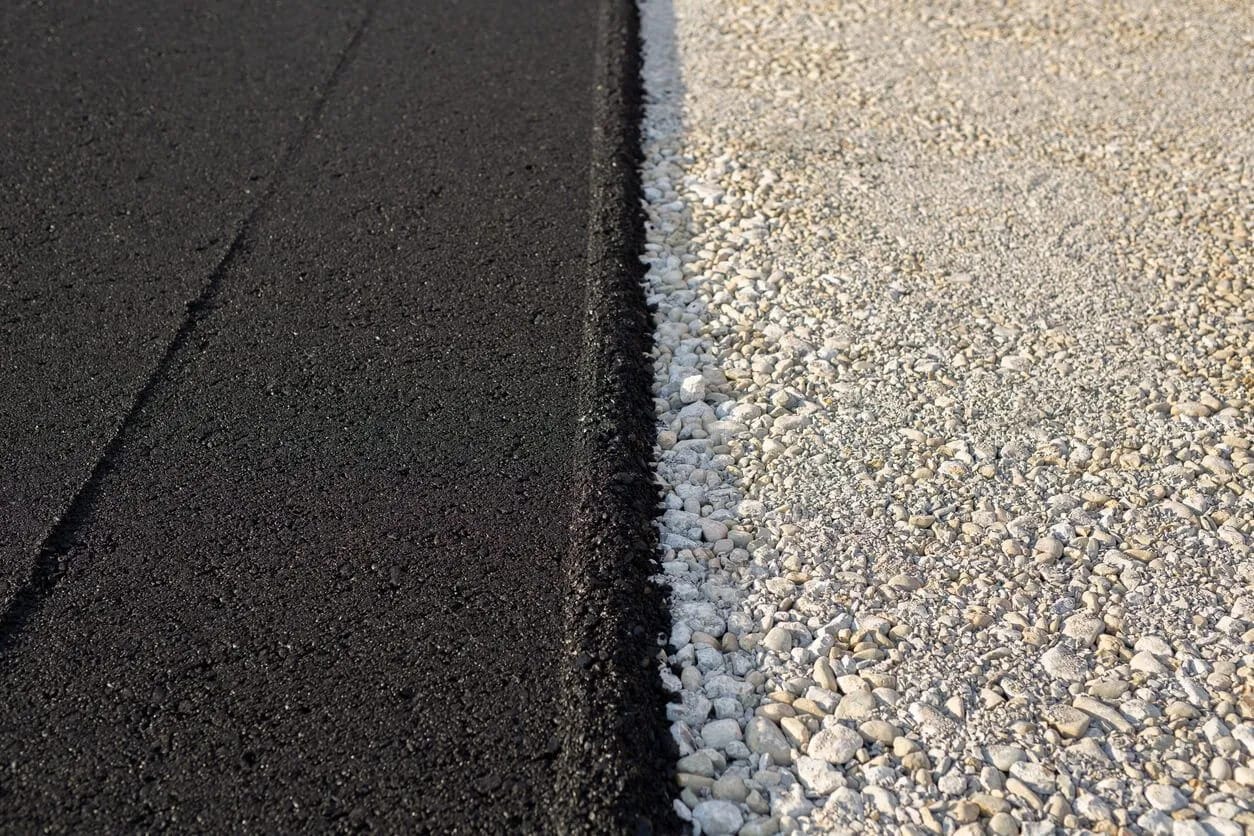
Upgrade rough gravel lots and drives with commercial gravel to asphalt conversions in Spokane, WA. We stabilize the base, correct drainage, and install durable asphalt pavement for cleaner, easier-to-maintain surfaces. Ideal for businesses, HOAs, and industrial sites looking to reduce dust, mud, and ongoing grading costs.
Precision Asphalt Spokane provides professional commercial gravel to asphalt throughout Spokane, WA, Washington and the surrounding area. Our licensed, insured crew delivers safe, clean, on-time work with a free estimate before anything begins. Call or request your free quote.
Commercial Gravel-to-Asphalt in Spokane: What This Service Really Delivers
If you manage a commercial property in Spokane, you already know the limits of gravel surfaces. Ruts, mud, dust, and constant grading all cost time and money. Precision Asphalt Spokane specializes in commercial gravel to asphalt conversions that turn loose rock into durable, striped, ready-for-business pavement.
Our focus is on sites like office and medical parking lots, retail centers, industrial yards, churches, and multifamily properties across Spokane, Spokane Valley, Airway Heights, and nearby communities. We design each conversion around your traffic patterns, truck loading, drainage conditions, and snow removal needs so your new asphalt surface holds up through real-world use.
Because we live and work here, we plan every project with Inland Northwest weather in mind. That means taking frost depth, spring thaw, and winter plowing into account before we ever lay the first ton of asphalt. The result is a smoother transition from gravel to asphalt and fewer surprises over the next 10 to 20 years of service life.
Site Evaluation: Making Sure Your Gravel Base Can Support Asphalt
The first step in any commercial gravel to asphalt conversion is a detailed site evaluation. Precision Asphalt Spokane does more than glance at your lot and measure square footage. We test the existing gravel depth, check how tight or loose it is, and look for soft spots created by poor drainage or past utility work.
We walk the site with you to identify heavy-use areas like dumpster pads, drive lanes for delivery trucks, fire lanes, and customer parking. In Spokane, snow storage zones and plow routes matter as well, because repeated plowing along the same edges can break down weak pavement. We factor that into the design of your paved layout and edge support.
If the existing gravel is too thin, has organic material mixed in, or was never compacted correctly, we will recommend removing and rebuilding those areas before paving. Catching those problems early keeps you from ending up with new asphalt that starts to crack or settle after one or two winters.
Base Preparation and Grading: The Part You Cannot See But Feel Every Day
Most of the quality in a commercial gravel to asphalt job is below the black surface. For Spokane properties, proper base construction is especially important because freeze-thaw cycles are tough on pavement.
First, we strip away loose, dusty, or contaminated gravel and any topsoil that may have migrated in. If we encounter pumping or saturated areas, we may undercut those zones and replace them with crushed rock that drains and compacts correctly. On some industrial or truck-heavy sites, we will install a thicker crushed rock section or even a crushed concrete layer where appropriate.
Next, we fine-grade the base with laser-guided equipment to get the right slopes for drainage. Our goal is to move water to specific points, not let it stand in the middle of your lot. In Spokane, we aim for enough slope to shed water before it freezes, but not so steep that walking and driving become uncomfortable.
Finally, we compact the base in multiple passes with vibratory rollers. For commercial work we target at least 95 percent compaction, and we check this with field density tests when conditions or soil types call for it. A properly compacted base lets the asphalt layer act as a smooth wearing surface rather than a structural crutch.
Asphalt Design, Thickness Options, and Structural Choices
Not every commercial gravel to asphalt project uses the same asphalt mix or thickness. Precision Asphalt Spokane designs the pavement structure around traffic loads, subgrade strength, and budget.
For light duty commercial parking lots, such as small offices or community centers, we typically install 2.5 to 3 inches of hot mix asphalt over a well-compacted crushed rock base. For retail centers with frequent delivery trucks, we may recommend 3 to 4 inches, often placed in two lifts. In heavy industrial or semi-truck yards, we can go even thicker or adjust the base rock section to handle higher loads.
We work with local asphalt suppliers to select mixes that perform well in Eastern Washington conditions. This often means using a mix with the right balance of air voids and binder content to resist rutting in summer heat while staying flexible enough to handle winter cold. Where turning movements are tight, like drive-through lanes or loading docks, we may recommend a finer surface mix that reduces shoving and scuffing from power steering.
We will walk you through the pros and cons of each option, including how different thicknesses and mix designs affect cost now and maintenance needs later, so you can choose a structure that makes sense for your property and timeline.
Drainage, Utilities, and Spokane-Specific Challenges
Many gravel lots have improvised drainage. Water may just soak into the surface or run off wherever there is a low spot. Once you convert to asphalt, that water needs a planned path. Precision Asphalt Spokane looks carefully at how your site handles rain and snowmelt before we finalize a paving plan.
If your lot already has catch basins or drywells, we will adjust grades so water flows into those structures. We often need to raise or lower manholes, water valves, and cleanouts to match the new asphalt surface. Where drainage is poor, we may recommend adding a trench drain along loading areas or regrading to move water away from building entrances and foundation walls.
Spokane winters bring plows, deicer, and freeze-thaw cycles. During design, we look at where snow is typically piled and try to keep that off critical traffic lanes and out of low spots where meltwater would refreeze. We also recommend curb and edge details that stand up better to plow blades, such as thicker edges near entrances and tighter base support along the outside of the pavement.
Addressing these details before we pave reduces the risk of heaving, edge cracking, and icy spots that can lead to slips, falls, or vehicle accidents.
Project Phasing, Traffic Control, and Working Around Your Business
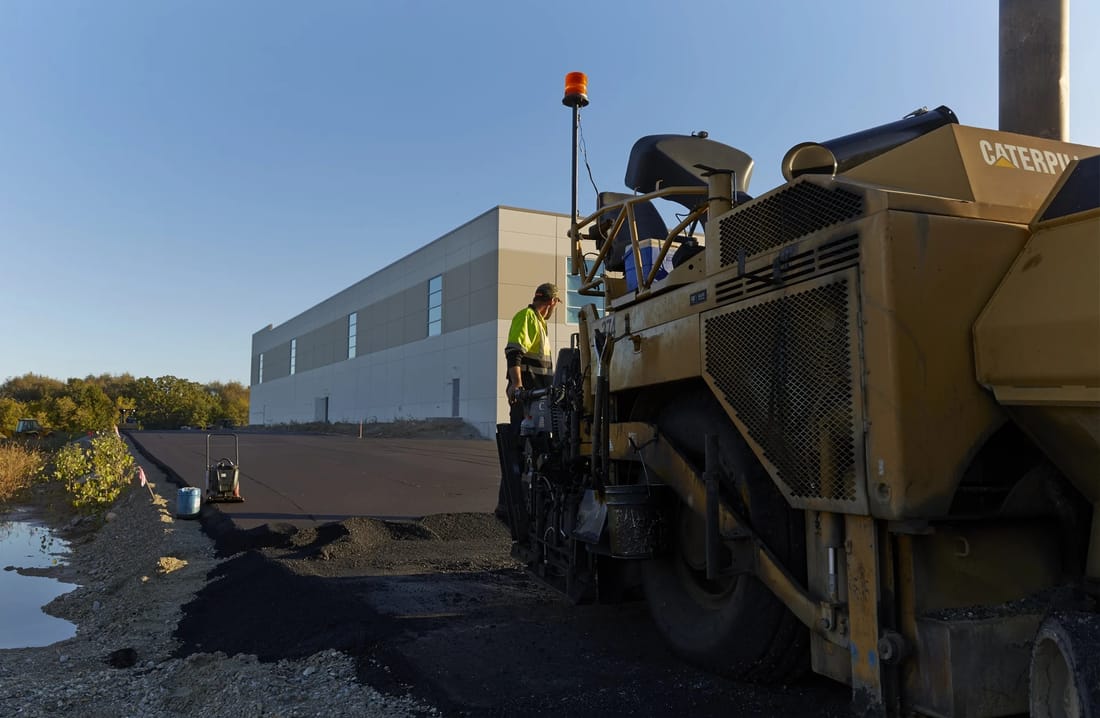
A major concern for any commercial gravel to asphalt conversion is how the project will affect customers, staff, and deliveries. Precision Asphalt Spokane regularly phases projects so you can stay open while we work.
On most commercial sites, we divide the area into sections and keep at least one access route open at all times. We schedule milling, grading, and paving so that active work zones are clearly marked and vehicles have a safe, obvious path around them. For businesses with peak hours, like clinics or retail centers, we often schedule the most disruptive steps, such as final paving at entrances, early in the morning or on weekends.
Our team sets up temporary signage and sometimes cones or barricades to direct traffic and keep pedestrians away from equipment and fresh asphalt. We coordinate with your management or facilities team in advance so tenants and customers know which areas will be closed on which days.
Before we leave, we explain curing time and when you can safely allow cars, heavy trucks, and delivery vehicles on the new surface. In Spokane’s cooler seasons the asphalt may need a bit more time before it is ready for tight turning from large trucks, and we will give you clear guidance on that.
Cost Factors and How to Get a Local, Accurate Proposal
The cost of converting a commercial gravel lot to asphalt in Spokane is driven by more than just square footage. When Precision Asphalt Spokane prepares a proposal, we look at several major factors that can move pricing up or down.
Base condition is usually the biggest variable. A gravel lot that was built over deep, well-compacted crushed rock will cost less to pave than one that needs undercutting, new rock, or drainage corrections. Asphalt thickness and mix type are the next key drivers. Light duty parking areas with standard thickness will be less than heavy truck yards that require thicker sections or specialty mixes.
Access for equipment, number of mobilizations, and how many phases are needed to keep your business open can also influence cost. Urban Spokane sites with tight access or extensive traffic control can require more labor and time than open suburban lots.
To give you a realistic number, we prefer to walk the site, take elevations where needed, and talk through how you use the property throughout the year. We can then present options, such as a full conversion now or a phased approach that upgrades the highest priority areas first. Our goal is to provide a commercial gravel to asphalt solution that fits both your long-term maintenance plan and your current budget.