Home › Asphalt Pathways, Sidewalks, and Trails
Connect your site with smooth asphalt pathway paving in Spokane, WA. We build sidewalks, multi-use trails, and walking paths for parks, campuses, HOAs, and commercial properties. Our asphalt paths provide a comfortable, low-maintenance surface for pedestrians, cyclists, and joggers.
Precision Asphalt Spokane provides professional asphalt pathway paving throughout Spokane, WA, Washington and the surrounding area. Our licensed, insured crew delivers safe, clean, on-time work with a free estimate before anything begins. Call or request your free quote.
Asphalt Pathways, Sidewalks, and Trails in Spokane
When you add or repair an asphalt pathway, sidewalk, or walking trail in Spokane, you want it to look clean, drain well, and stand up to freeze-thaw cycles. Precision Asphalt Spokane focuses specifically on smaller pedestrian projects as well as full trail systems, so we plan each job around how people will actually use the surface, not just how fast we can pave it.
Most of our pathway and sidewalk work is for HOAs, parks, schools, churches, apartments, and homeowners on acreage who want a walking loop or access path. We handle everything from a 50-foot sidewalk along a driveway to multi-thousand-foot trail networks. The process always starts with a site walk so we can see slopes, trees, irrigation lines, and how water moves through your property. That field visit is where we spot issues that cause cracks and heaving later if they are not addressed up front.
Spokane soil and weather play a big part in how we design your project. Glacial till and pockets of clay expand and contract as they freeze and thaw. If the base is too thin or poorly drained, your nice smooth pathway will turn into a wavy, cracked mess within a few winters. Our crews build the base and drainage specifically around local conditions, which is a major difference from out-of-town contractors who use a one-size-fits-all approach.
We also pay attention to how the path ties into concrete entries, steps, driveways, and parking lots. Clean transitions without trip edges, proper slopes away from buildings, and enough width for the people using it are what make the finished project feel solid and well thought out instead of like an afterthought strip of asphalt.
How Asphalt Pathway Paving Actually Gets Done
On most projects, the work begins with layout and excavation. Precision Asphalt Spokane paints the route on the ground, checks grades with a laser, then strips sod or old pathway material to the depth needed for a stable base. For new pathways this is usually 6 to 10 inches below finished height, depending on soil type and how much foot or bike traffic the path will see.
Once the area is excavated, we install a compacted base course using crushed rock that locks together when compacted. This base is typically 4 to 8 inches thick for pedestrian paths, thicker in soft or wet areas. We use plate compactors, walk-behind rollers, or ride-on rollers based on access and width. Proper compaction is critical. You can hear and see the difference underfoot when a base has been compacted correctly.
For most Spokane pathways and sidewalks, we use a fine-graded hot mix asphalt, usually in a single 2 to 3 inch compacted lift. On higher use trails, we may recommend a two-lift system with a stronger base mix on the bottom and a finer surface mix on top. The asphalt is placed by a small paver when we have access. On narrow or tight routes we place it by hand using asphalt rakes, then compact with a roller to create a tight, even surface.
Edges are shaped and compacted so that water sheds off the path and does not sit along the sides. Where the pathway meets concrete, we create a smooth transition by adjusting the asphalt thickness so there is no lip. After compaction, we walk the entire length checking for low spots, standing water, and surface flaws, then address those while the material is still workable.
Design Options for Paths, Sidewalks, and Trails
A big part of asphalt pathway paving is deciding on width, alignment, and how the path handles water and traffic. Precision Asphalt Spokane walks you through each choice so you end up with something that fits the site and your budget. For a simple backyard or side yard walkway, 3 to 4 feet wide is usually enough. Community and school paths are often 6 to 8 feet wide so two people or bikes can pass each other comfortably.
For trails that cross slopes or drainages, we often recommend gentle side slopes and occasional cross drains so water flows under or across the path instead of running down it. In shady or wooded areas, we may advise a slightly thicker base and more attention to root barriers or selective root trimming so trees do not push up the asphalt within a few years. Spokane has plenty of pines and maples whose roots will find any weak spot in the base.
Color is generally the natural black of asphalt, but we can adjust the look with different aggregate types or by planning for future sealcoat with a specific finish. Edging options range from simple soil and grass shoulders for a natural look, to gravel shoulders or concrete borders in more formal settings like commercial campuses and apartment complexes.
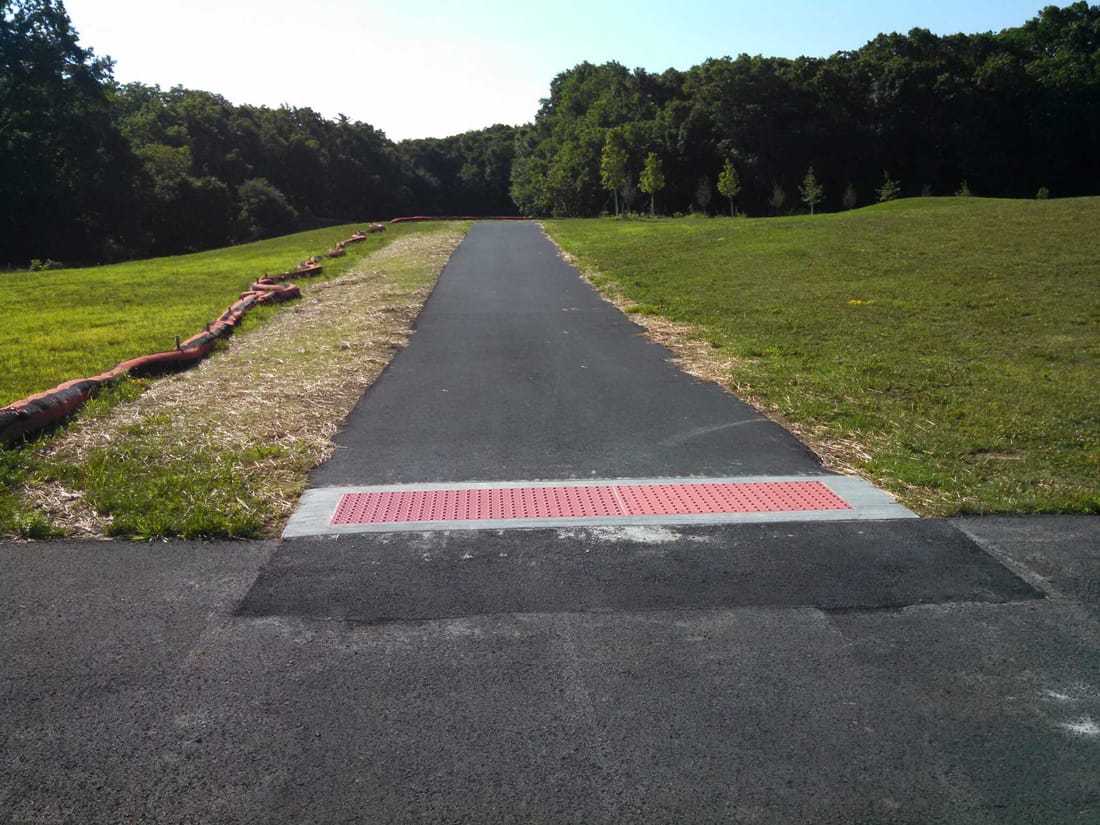
If the path will see bikes, skateboards, or ADA mobility devices, we adjust slopes and cross slopes to meet accessibility expectations and to keep the ride smooth. For example, at building entrances we aim for gentle slopes that shed water while staying comfortable for wheelchairs and strollers. On steeper sites, we may add short turns or landings instead of one long slope to improve safety and comfort.
What Drives Cost and Common Problems We Solve
The main cost factors for asphalt pathway paving in Spokane are length, width, base thickness, access for equipment, and how much prep work is needed. Curved routes with lots of trees, irrigation lines, or existing structures usually take more time than straight, open runs. If we are replacing an old failing path, we look at whether we can recycle the existing asphalt into the new base, which can save some hauling and material costs.
Poor drainage is the number one cause of premature pathway failure in this region. We often see old walks that were built almost level or sloping toward a building. Water pools, freezes, and breaks the surface apart. Precision Asphalt Spokane corrects this by regrading the base to encourage drainage to lawns, swales, or existing storm drains. On problem areas, we may add small French drains or underdrains to move water away from the path.
Another common issue is frost heave at transitions, especially where asphalt paths meet concrete steps or patios. Because concrete and asphalt react differently to temperature change, we plan for small variations and try to minimize joint movement. Sometimes this means reinforcing the base at the transition or slightly feathering the asphalt over a longer distance so minor movement does not create a sharp trip edge.
Roots, especially from mature backyard trees or street trees, can buckle paths. We walk the path alignment with you and point out likely trouble trees. Options include rerouting slightly, installing root barriers, or accepting that a certain section may need more frequent maintenance. Being upfront about this keeps expectations realistic and often avoids surprise repairs later.
For budgeting, we can usually provide a ballpark range after a brief phone call, then confirm a firm price after a site visit. Our written proposals break out base preparation, asphalt paving, and any drainage or demolition work, so you can see what is driving the total cost.
Timing, Local Conditions, and Maintenance in Spokane
In Spokane, the best window for new asphalt pathway and sidewalk work is typically late April through October, when daytime temperatures are warm enough for proper compaction and curing. Precision Asphalt Spokane keeps an eye on the forecast. If we see a cold snap or heavy rain coming, we will reschedule rather than rush a job that will not last.
If your project is at a school, park, or apartment complex, summer and early fall are usually ideal so we can work around lower foot traffic and dry conditions. For residential walkways, we often schedule in shoulder seasons like May or September when the ground is dry but temperatures are still supportive of good paving practices.
Once your pathway or trail is installed, routine maintenance is simple but important. Keep edges trimmed so grass and roots do not creep over the asphalt. Sweep off heavy pine needles, gravel, and debris that can trap moisture on the surface. For longer community trails, we recommend a regular inspection program to spot early cracking, low spots, or drainage issues.
Sealcoating is not always necessary for every pathway, but for higher traffic trails or those exposed to a lot of sun and deicer runoff, a sealcoat every few years can slow oxidation and minor raveling. When small cracks appear, crack sealing keeps water out of the base and significantly extends the life of the surface.
If you are planning a project for the coming year, contacting Precision Asphalt Spokane in late winter or early spring helps you get on the schedule for the best months. That also gives us time to coordinate with any landscaping, fencing, or concrete work that needs to happen before or after the asphalt, so you end up with a clean, finished result without multiple contractors working on top of each other.